Vision
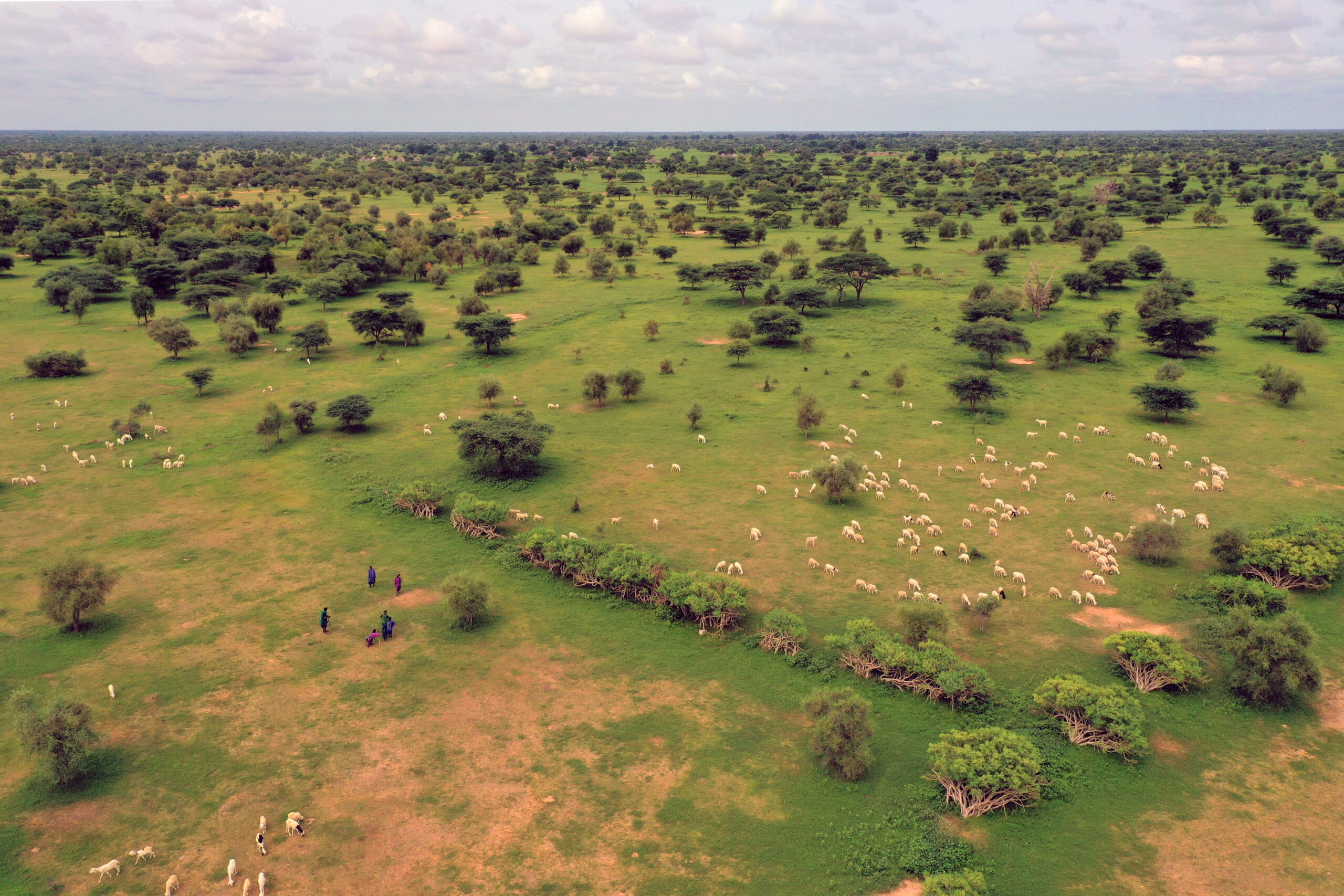
At the Dryland Agroforestry Center, our vision is to unlock the potential of agroforestry in arid and semi-arid regions, focusing on the Mediterranean, North Africa, and the Sahel. We aim to bridge the gap between research and practice, promoting sustainable land management strategies that enhance resilience, biodiversity, and livelihoods in some of the world’s most challenging environments.
Our core approach is agroforestry, which integrates trees, crops, and livestock on the same land, optimizing their interactions for mutual benefit. We explore innovative agroforestry techniques tailored to dryland ecosystems, aiming to maximize resource efficiency and ecosystem services while minimizing environmental impact.
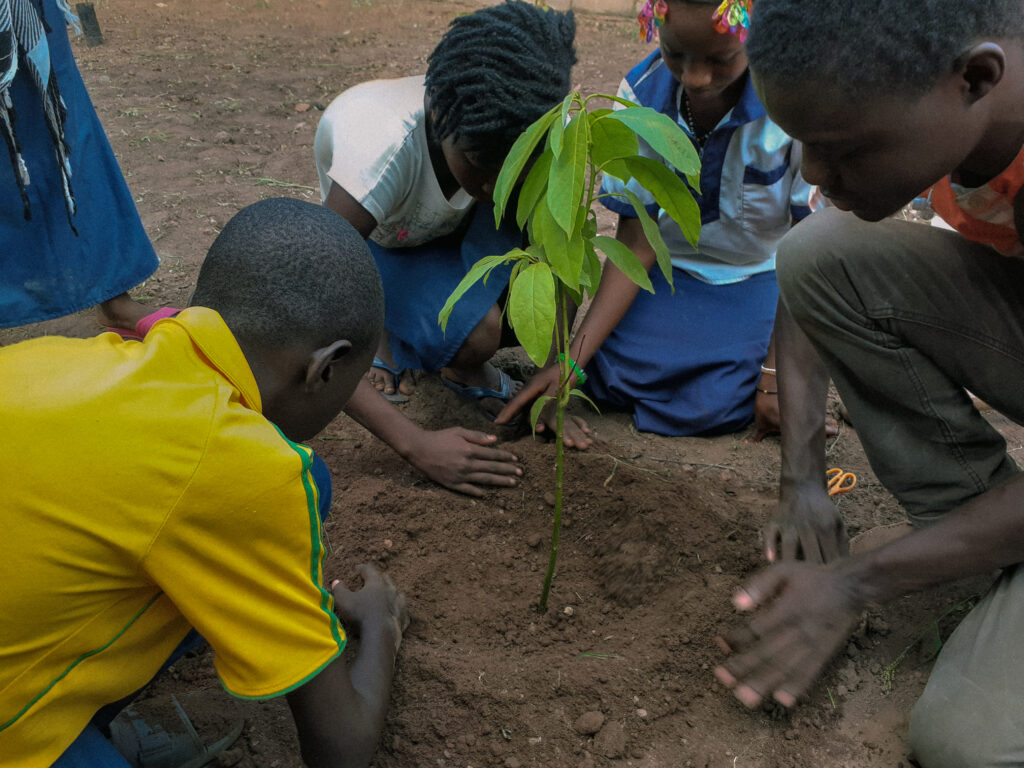
We strive for action-oriented research that yields tangible results. By actively engaging with farmers, local communities, policymakers, and other stakeholders, we form collaborative partnerships to co-design and implement agroforestry solutions that address real-world challenges. Our systemic and multi-stakeholder approach ensures sustainable development through collective efforts.
Team
We are a team of researchers, practitioners, and advocates committed to promoting sustainable land management in arid and semi-arid regions. With a wide range of long-term collaborators in the Mediterranean, North Africa, and the Sahel, we specialize in integrating trees, crops, and livestock to create resilient and productive ecosystems. Our collaborative efforts with farmers, communities, and policymakers aim to transform dry landscapes into thriving agroecosystems that support both people and the environment.
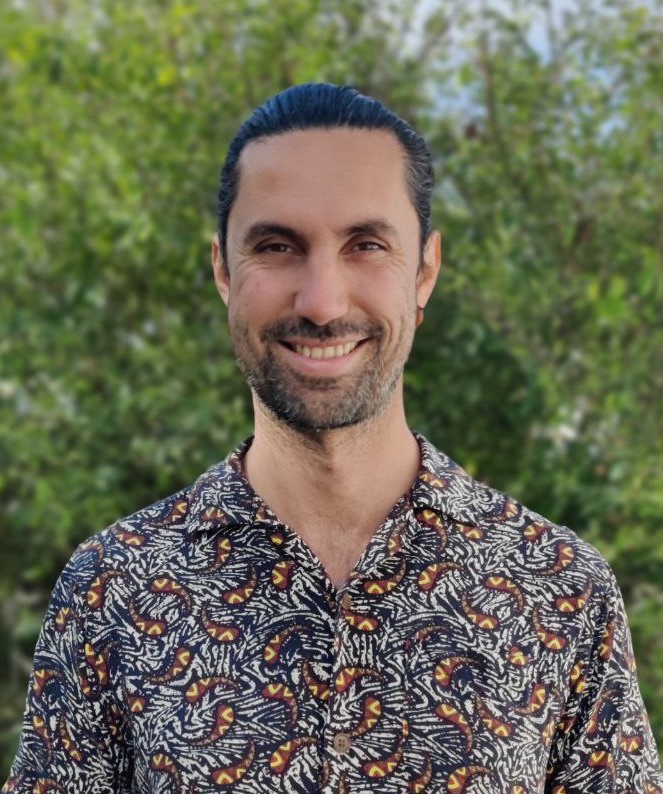
Fernando Sousa
Senior researcher and knowledge management expert
Fernando is a biologist and researcher with over a decade of experience coordinating international projects on sustainable agriculture and agroforestry. He has worked across West Africa, North Africa, Türkiye, Portugal, and Switzerland, advancing research on soil health, biodiversity, and organic farming. Trained in Conservation Biology, he developed a lasting curiosity about soil fertility as the foundation of thriving communities and ecosystems. He now supports efforts to evaluate and scale agroforestry and other agroecological practices in the Mediterranean and West Africa, with a strong focus on knowledge management and innovation systems.
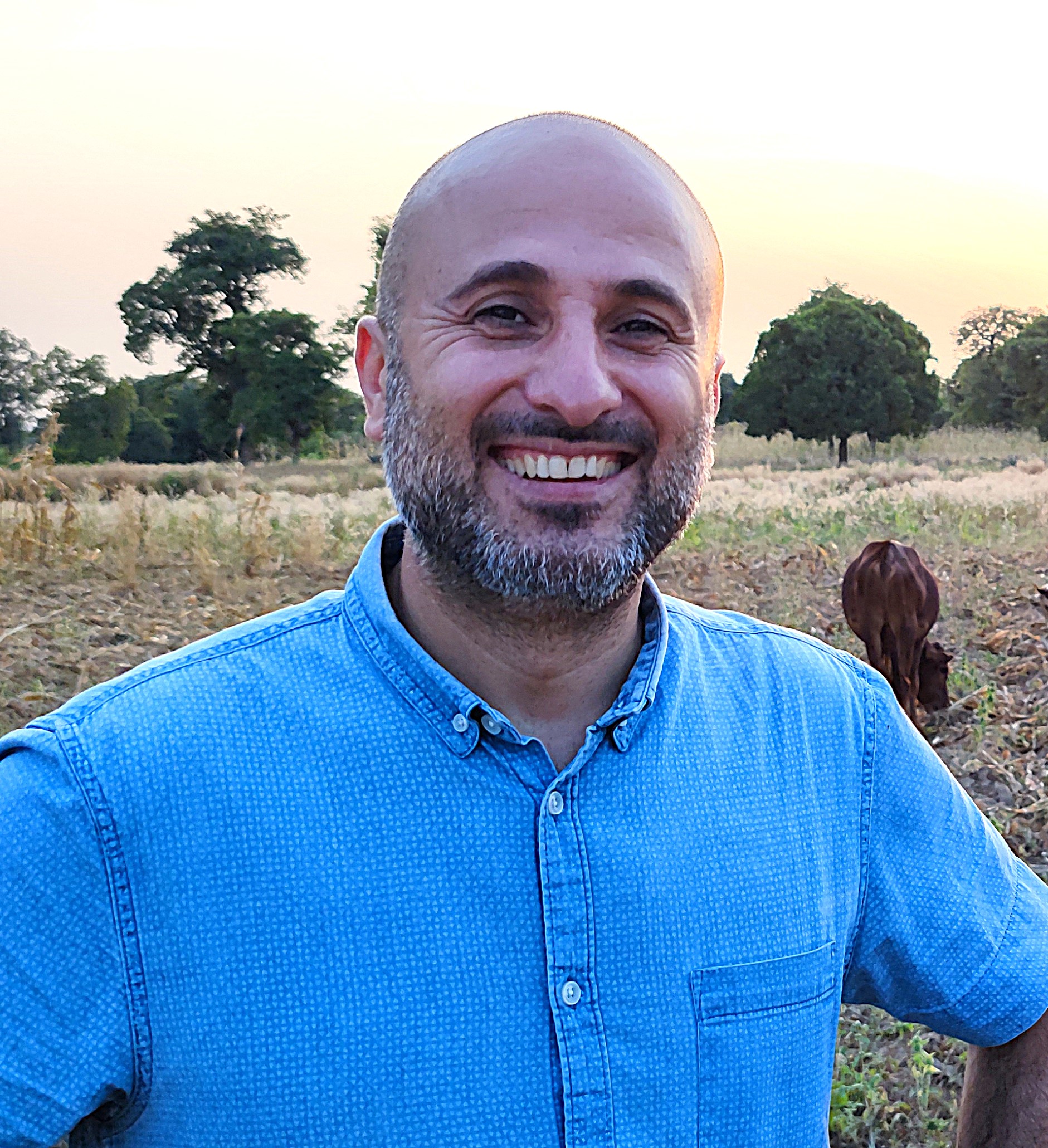
Dr. Harun Cicek
Board Member
Senior scientist – agroecology and agroforestry
Harun is an agronomist with nearly two decades of experience leading international work on dryland agroecology and agroforestry. He has collaborated in more than 20 countries across North America, West and Central Asia, Africa, and the Mediterranean, strengthening knowledge exchange on soil health, biodiversity, and organic farming. His career began in Eastern Canada addressing agricultural pollution, followed by a PhD on crop–livestock integration. He now designs multinational initiatives in the Mediterranean to expand agroforestry and other agroecological practices for greater climate resilience.
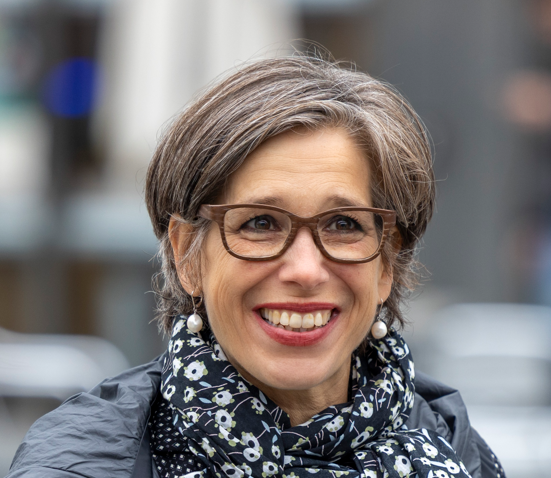
Dr. Claudia Zingerli
Board Member
Head of ETH Sustainability and lecturer at ETH Zurich
Claudia Zingerli is the Head of the ETH Office of Sustainability and a lecturer at ETH Zurich, where she oversees and shapes the sustainability portfolio of the university. She holds a Master’s degree in geography, social anthropology and economics from the University of Basel, Switzerland, and Freiburg im Breisgau, Germany, and a PhD in development studies from the University of East Anglia, UK. In her academic work she has been focusing on the political nature of natural resource management as well as the politics of knowledge production in sustainable development and transformation. More information / LinkedIn
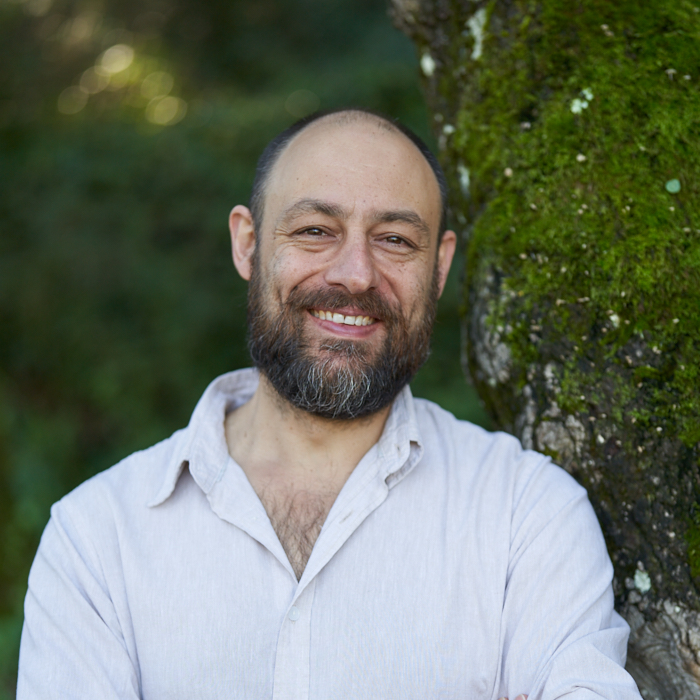
Pedro Mendonça
Data Scientist and Tech Innovation expert
Pedro first developed his data science and signal processing skills while pursuing his PhD in Physics Engineering, utilizing electroencephalography (EEG), photoplethysmography (PPG), accelerometers, and eye-tracking sensors to assess mental workload. He worked on projects that involved performing analysis in time, frequency, and non-linear domains. At DAC, Pedro is responsible for the data science and technological components, including sensors, data acquisition, transfer and analysis, in order to monitor and investigate the biophysical interactions between soil, crops, and trees in agroforestry systems.
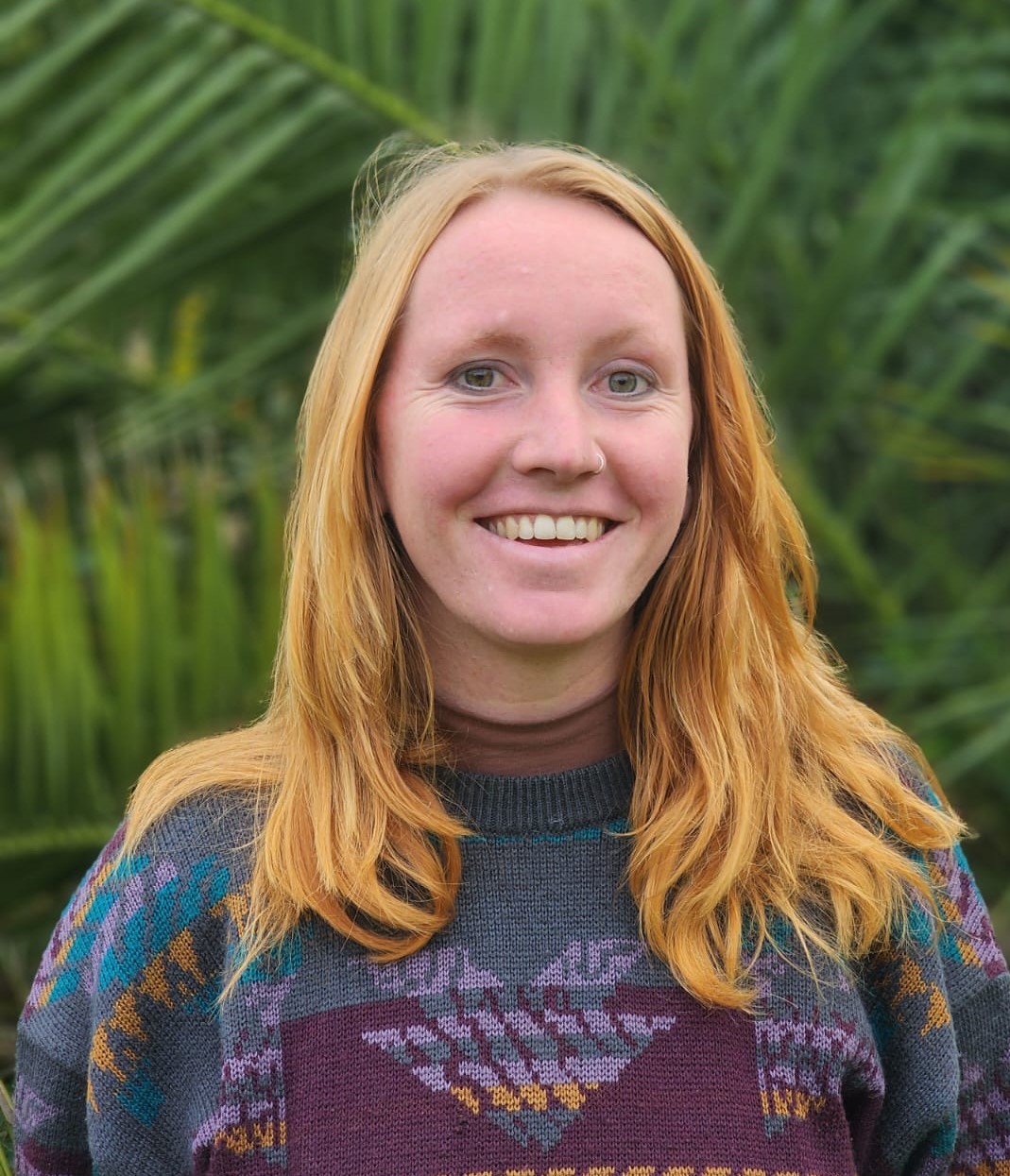
Anne Bouwmeester
Agroforestry engineer and junior researcher
Anne is an agroforestry engineer with field and volunteer experience in
Nepal, India, France, and Portugal. She researched Romanian old-growth
forests and completed a master’s thesis on agroforestry in South
Portugal. Anne helped design a dryland system for a botanical garden and
supported the TransforMED project. With a bachelor’s in humanistic
studies and a master’s from the Czech University of Life Sciences, Anne
combines qualitative and quantitative research skills with cultural
sensitivity. She is dedicated to supporting food security, resilient
communities, and a thriving planet through sustainable agroforestry
solutions.
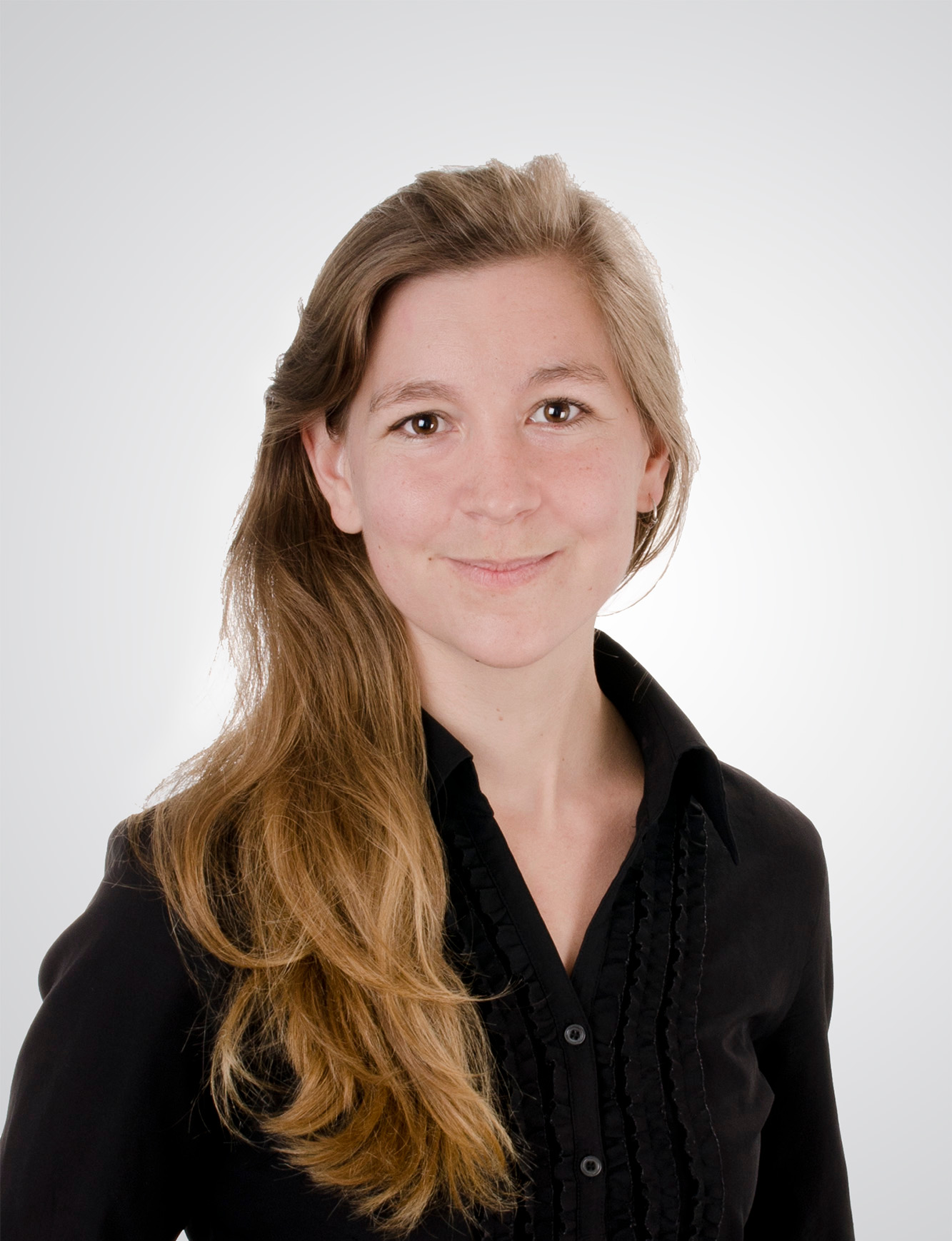
Lilian Beck
Agroecology extension specialist
Lilian has over seven years of experience in agroecology and agricultural extension, designing, facilitating, and evaluating participatory approaches such as Farmer Field Schools, and coordinating collaborations among NGOs, government institutions, researchers, and farming communities. Much of her work has taken place in Cambodia, alongside engagements in Africa and Central Asia with organizations including CIAT, FAO, the University of Hohenheim, the University of Kassel, and CIFOR-ICRAF. With an MSc in Agroecology and a background in Anthropology, Education, and Videography, she creates practical dissemination tools and learning platforms that support farmers in shifting from monocropping to diversified agroecological systems and adapting to climate change effects. As a PhD candidate, she conducts transdisciplinary research on agroforestry dissemination.
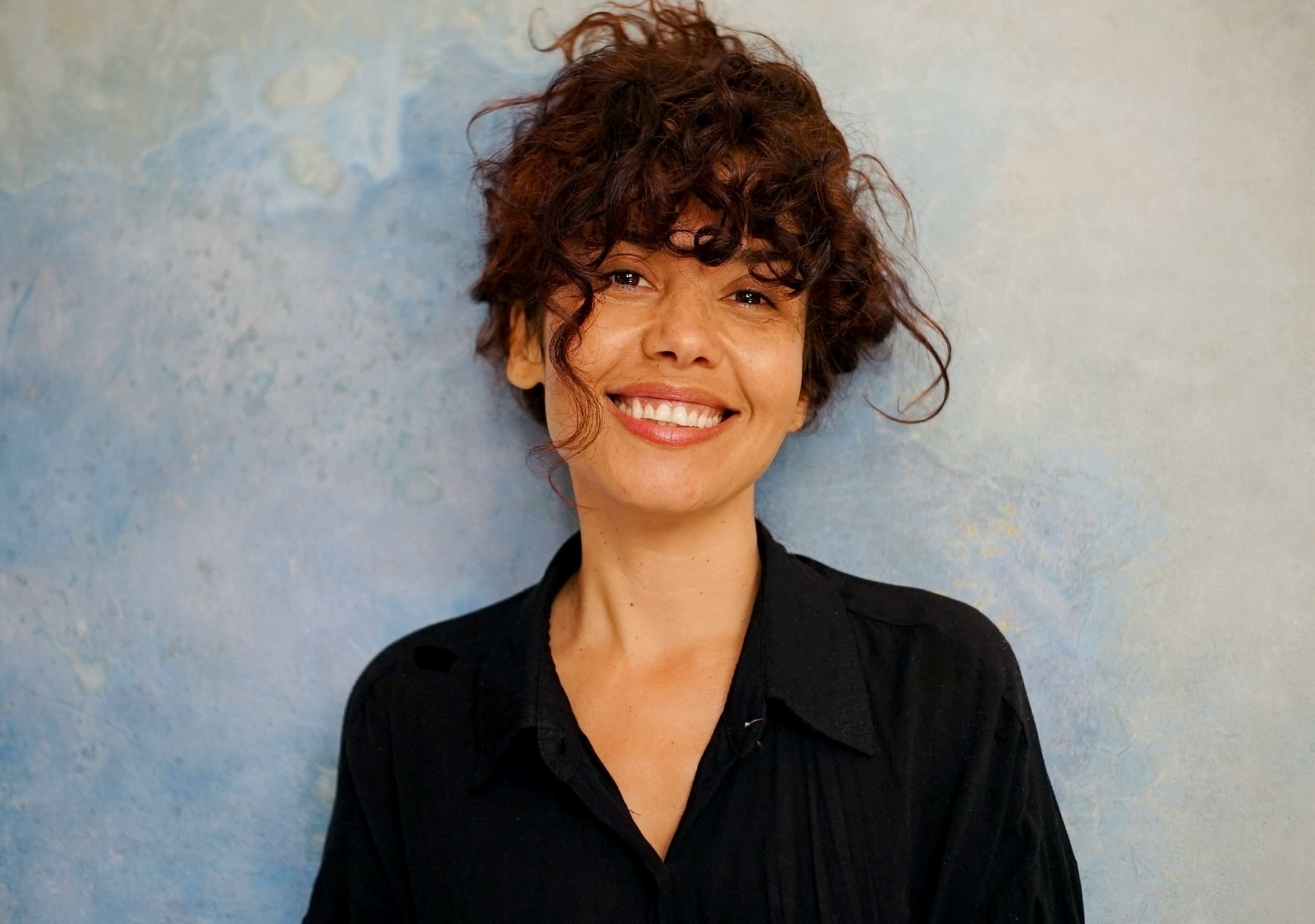
Sara de Sousa Correia
Visual artist, filmmaker, and creative director
Sara Correia is an artist, filmmaker, and environmental activist whose transdisciplinary work explores human ecology, territory, and the relationships between body, landscape, and community. Trained in Communication Design with specialisations in Eco-Design, Artistic Anthropology, and Audiovisual Studies, she works across diverse cultural contexts. Her internationally awarded films—such as La Veine Verte (2022), Hortas Di Pobreza (2011), and MONTADO (2021)—address themes of food sovereignty, agroecology, and decolonial perspectives, offering reflective spaces that deepen understanding of land, cultural resistance, and ecological issues.
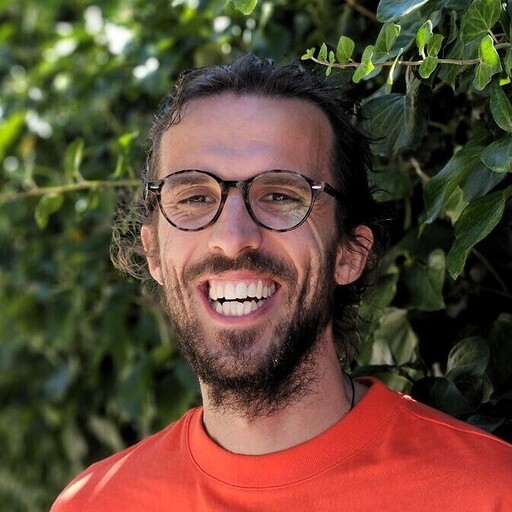
Luís Costa
Conflict resolution facilitator and participatory methodologies consultant
Luís Costa is a biomedical engineer turned impact management consultant with broad experience in nonprofit leadership and strategic planning. After years in grant management and impact evaluation, his work shifted toward human-centered facilitation, deeply influenced by Nonviolent Communication. In 2019 he coordinated É p’ra amanhã, a documentary series on sustainable solutions, and since 2021 he has been teaching Nonviolent Communication across Portugal. Bringing together technical rigor and relational skills, he helps communities navigate conflict and co-create meaningful change. He lives in the countryside near Sintra, where he cultivates both vegetables and connections to the land.
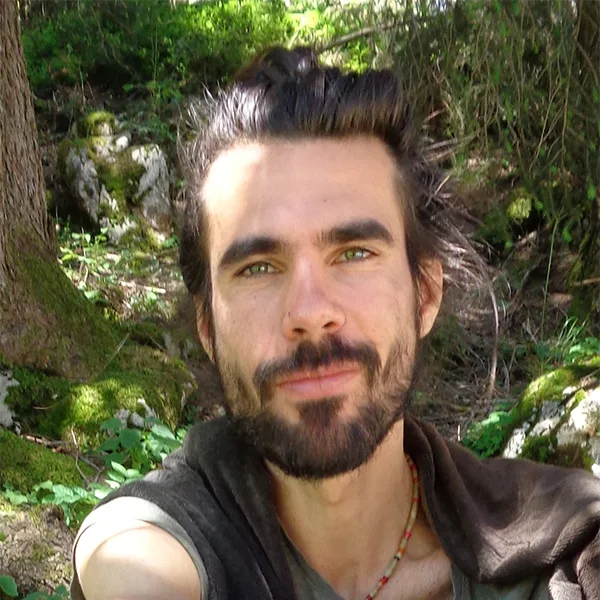
David Sousa
IT Specialist, Educator and Researcher in Education
David Sousa holds a degree in Physics, master’s degrees in Cognitive Science and Anthropology, and he is a PhD candidate in Education. David is an experienced teacher trainer. He coordinates international projects focused on student centered methodologies emphasizing sustainability and green competencies. He is also an IT specialist, working in data processing, scientific computing, educational technology, and electronics. At DAC, he applies his IT and education expertise to support sustainable development initiatives.